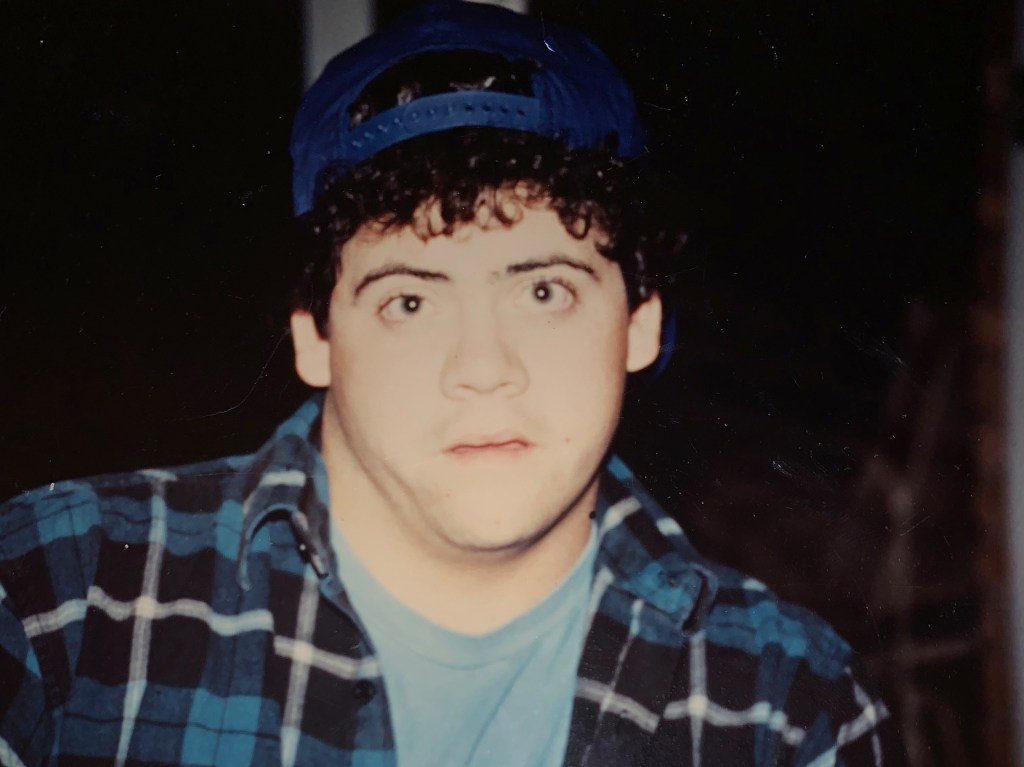
Originally written in 2019, when Joe would have turned 50 and 30 years had passed since his death.
My brother Joe would have turned 50 today. Last month marked the 30th anniversary of his death. He was only 19, a month shy of 20, when he died. He has been gone 10 years longer than he lived, and I have lived almost twice as long without him as I did with him. Today, I am 28 years older than he was when he died. That is impossible for me to reconcile. No matter how old I get, in my heart and mind he is still my big brother.
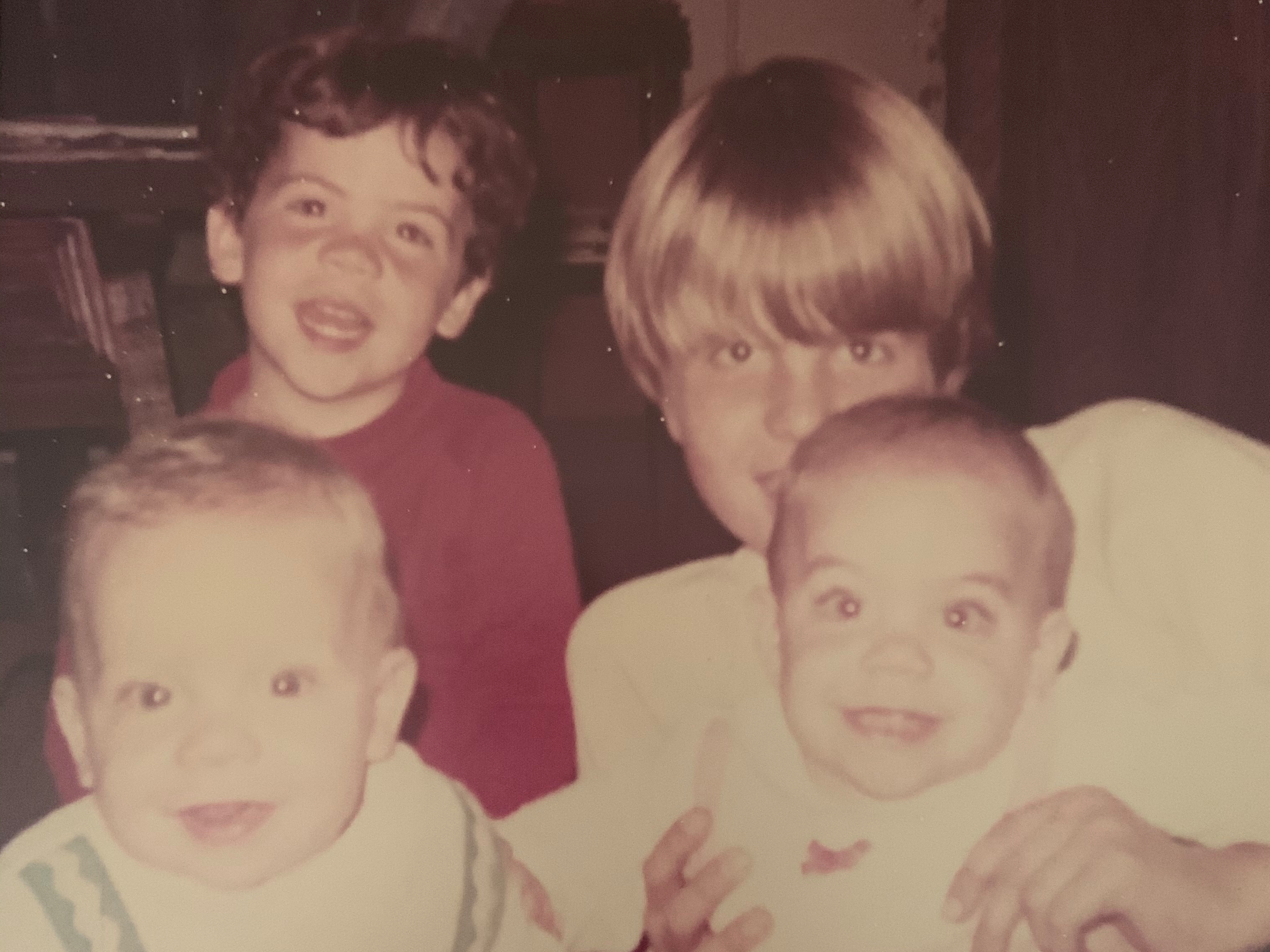
Our siblings are part of our identity. Growing up, they witness our lives; we know them, and they know us, better than anyone else. My twin brother Grady and I are the youngest in our family. We were born into a world with two older brothers, Cliff and Joe. Our bonds began by circumstance and became part of who we are. We depended on one another for teasing, support, fun, arguments, generosity, selfishness, secrets, betrayals, physical fights, and protection—and for joining forces, sometimes for and sometimes against our parents.
These dynamics confused my parents, who were both only children. They simply couldn’t understand how you could threaten someone with a butcher knife one minute and go outside together to play catch the next. Luckily for us, we loved and liked each other in equal measure.
When Joey died, the loss left us unsettled as we struggled to find our places in the changed family. Only now, 30 years later, have I come to understand that we didn’t—or couldn’t—reposition ourselves at all. We spent decades trying to adapt to the holes in our family’s nucleus: the first when Joe died, and another nine years later when my dad died.
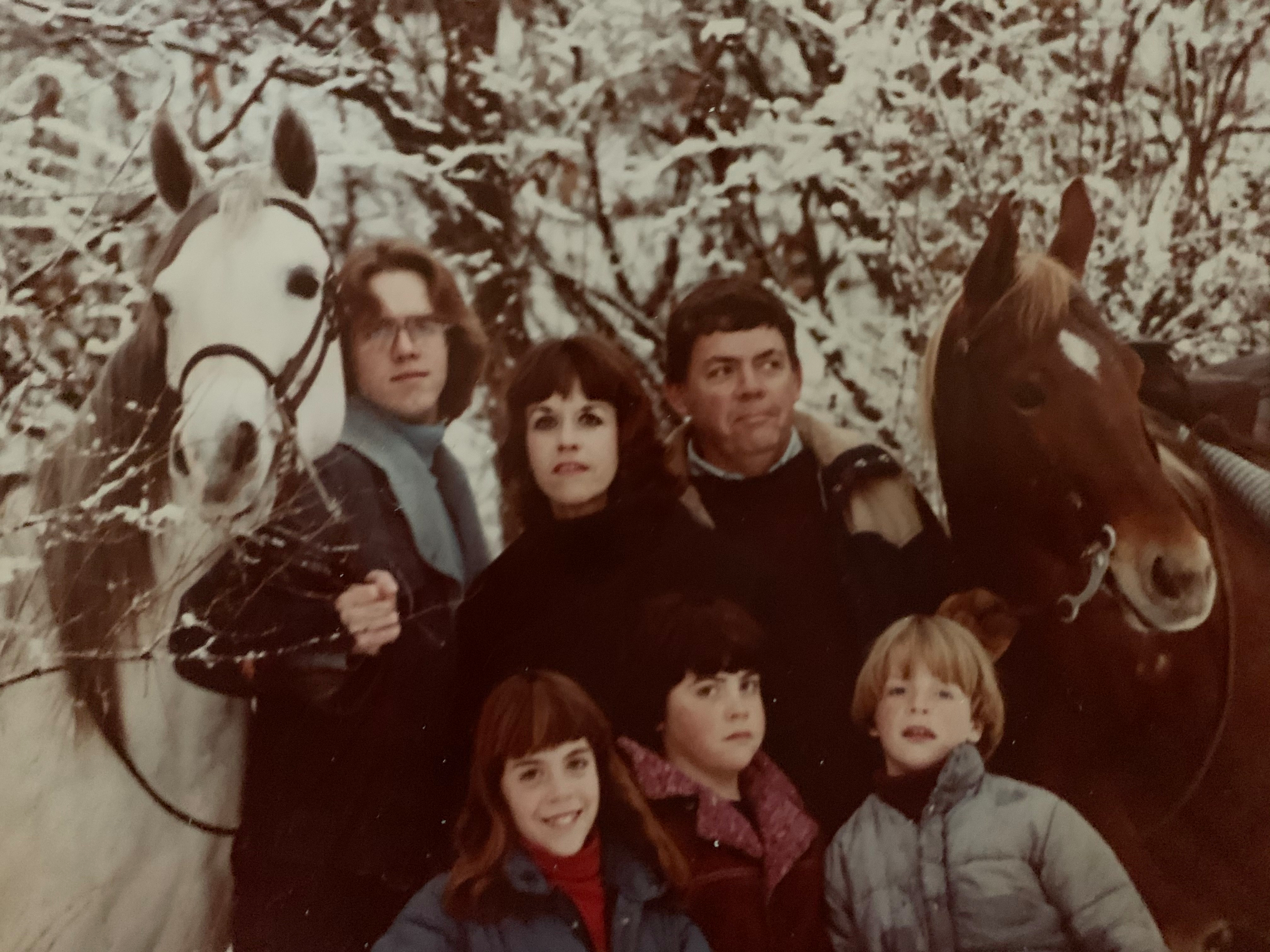
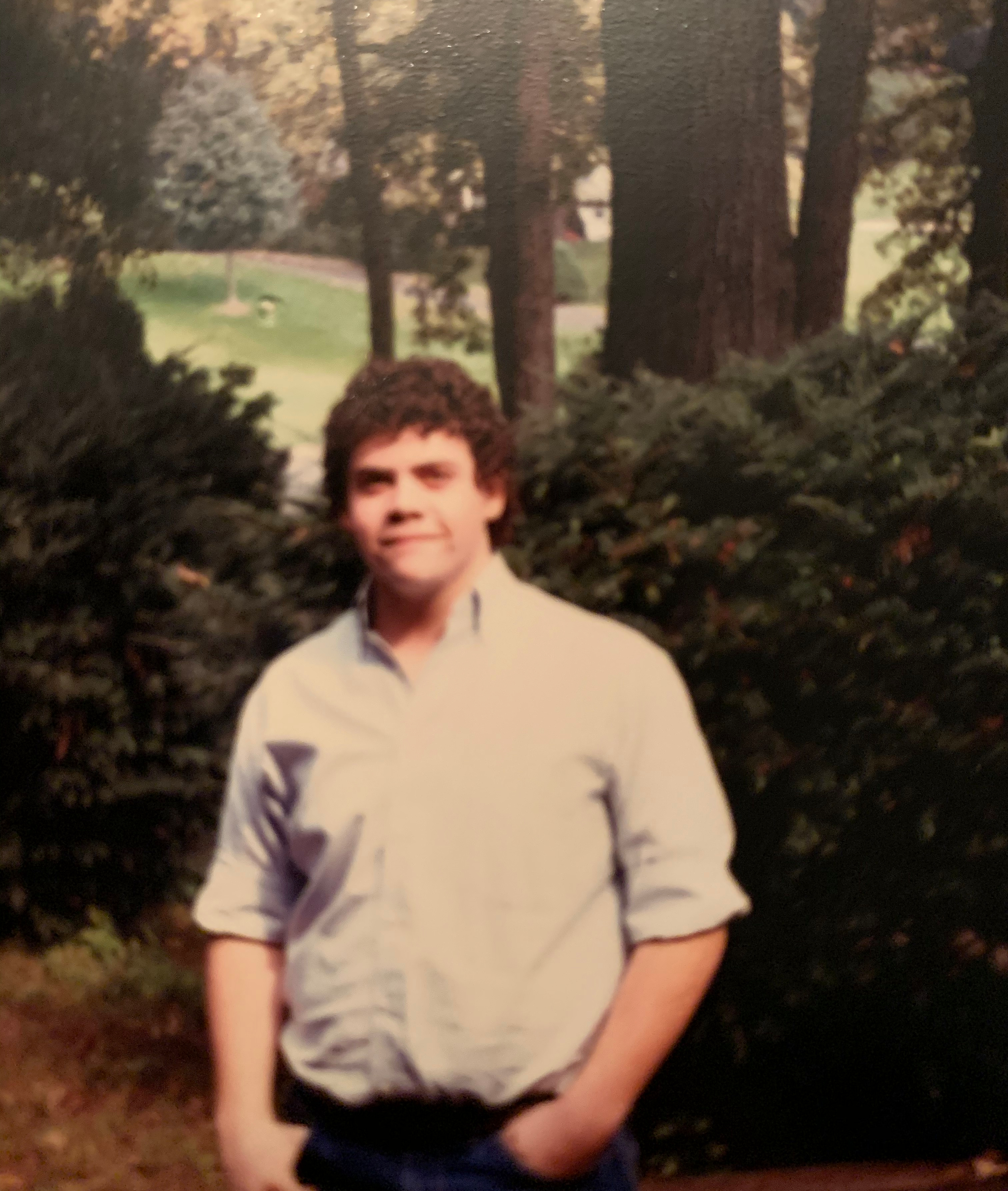
I can vividly picture Joe walking into a room, jiggling his car keys, the front pockets of his jeans turned slightly out, his Oxford shirt mostly untucked, dark curly hair like a halo around his head, green eyes twinkling, and a huge smile on his face. Joe had an instinct for humor that was impossible to teach. His comedic timing was incredible—he just got it. He was usually laughing about something, his energy kinetic and warm. If he wasn’t entering a room talking or laughing, he was humming and drumming along to Bob Seger, Clapton, Springsteen, or another classic rock artist who met his approval.
A great music enthusiast, he read The Rolling Stone Record Guide cover to cover multiple times. A guide intended as reference material was a feast for a trivia buff and voracious reader like him.
Joe was my mentor in many things, but especially music. “Robin, there will be no B96 played in this house!” I desperately wanted him to think I was smart and cool, so I obediently listened to and learned to love classic rock. But first, we had a couple of disco parties at the neighbors’ house, where all three of my brothers stood in the street holding up Steve Dahl posters made by my brother Cliff and chanting, “Disco sucks! Disco sucks!”
Joey had a way of teasing me and making me feel better at the same time. The summer between sixth and seventh grade, one of my closest friends and I ended up with the same bathing suit. She was much thinner than I was, which caused me some angst. Joe’s response was, “Oh, Robin, she will look like a little twig in it and you will look like a NICE. PORK. SAUSAGE!”
Joe and I shared sturdy builds and a great fondness for food. Of course, a pork sausage appealed to him, but none of the girls photographed in their bathing suits in the pages of Seventeen magazine looked like pork sausages! Even so, I felt better.
I definitely wasn’t as intellectually curious as Joe was. Few people were—other than everyone else in my family. I leaned more toward physical pursuits: dancing and working out, my appearance, my peers, and thumbing through fashion magazines. This troubled Joe. One summer, he spent a lot of his free time following me around and reading aloud from Time magazine. His frustration grew as I stalked around, rolling my eyes and sighing.
Finally, he made me a deal. He said he would leave me alone if I could name the presidents of the United States backward, starting with Ronald Reagan. With a lot of coaching, we got back to Herbert Hoover.
“Come on, Robin, he served more terms than any other president!”
I replied, “Wasn’t he the one who was married to Marilyn Monroe?”
Exasperated, Joe froze, looked over his glasses through the tops of his eyes, and said, “President DiMaggio, Robin? President DiMaggio!”
We didn’t get any farther. I now understand that he was trying to get me to say FDR.


We were two years and three months apart, and three school years apart; he was a senior in high school when I was a freshman. Only two inches taller than me, Joey would stand as tall as he could, puff out his chest, rear back, and proudly introduce me to people as his “little sister Robin.” It filled me with love, pride, and a sense of protection.
Joey loved music as much as he loved books. When he turned 16, he drove our mom’s hand-me-down, two-door, V8, rear-wheel-drive Oldsmobile Delta ’88. He kept a boom box in the front seat, plugged into the cigarette lighter, and about 200 cassette tapes loose in the front and back seats. Every time he turned a corner, the tapes slid one way or the other, thrashing around—not that we could hear them; the music was too loud.
Luckily for Grady and me, Joe drove us to school every day during our freshman year, so we didn’t have to take the bus. We did, however, have to ride in the back seat because Joe also drove two of his friends to school. Every morning, we climbed in, and Joe drove us to school talking, singing, playing air guitar, drumming, and fishtailing the whole way. We arrived nauseous, bruised, and slightly hard of hearing, but extremely grateful we hadn’t ridden the bus—and proud to walk into school with our senior brother. It was another example of the paradoxical ways our siblings look out for us.
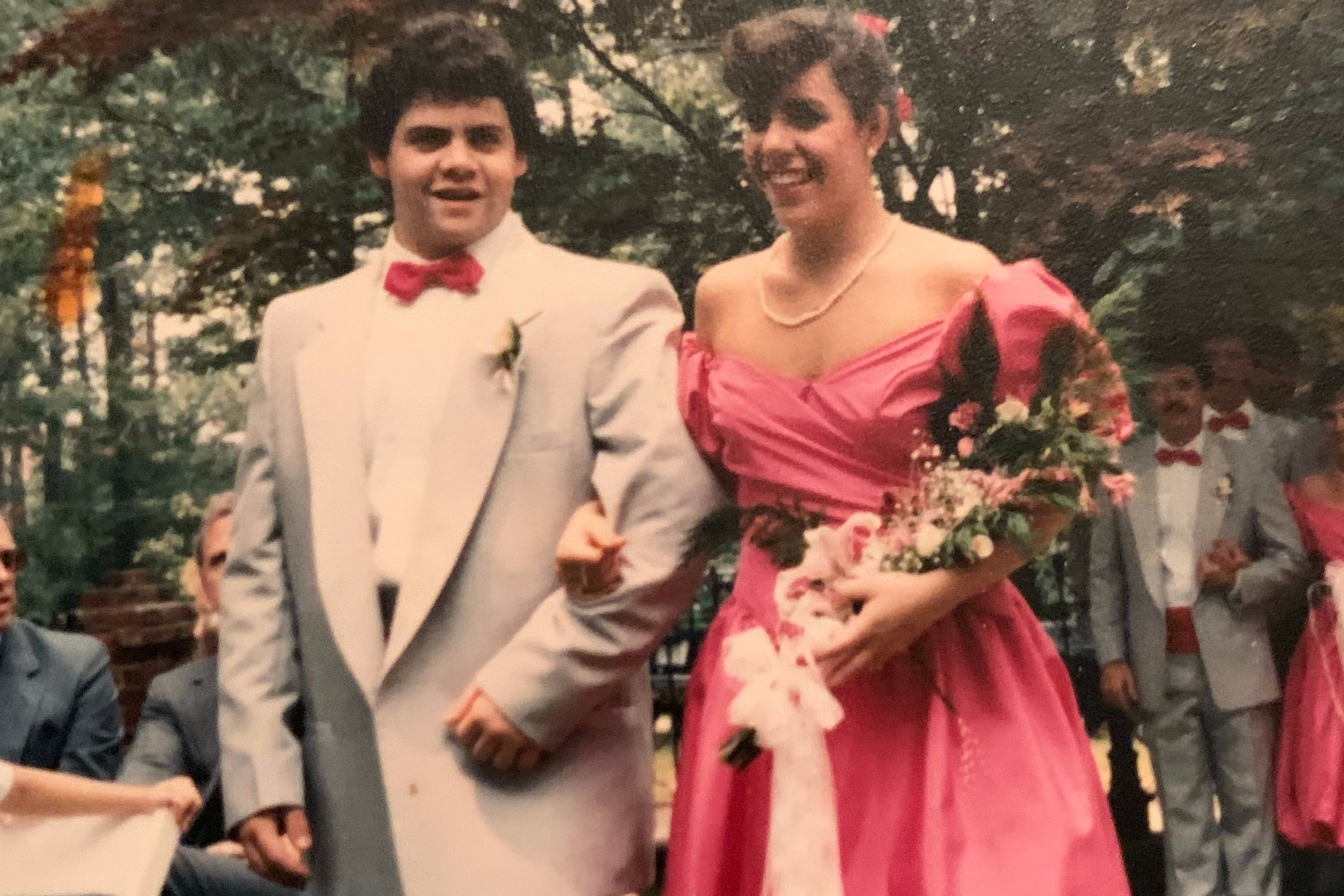
Joe read constantly from the time he was about two and knew more trivia than anyone. He loved sports, especially Major League Baseball, and was a fanatic about sports statistics. Instead of playing sports in high school, he competed on the Academic Bowl team, announced varsity girls’ basketball games, served as student council vice president, umpired Little League games, and wrote for the underground newspaper.
Wise beyond his years, Joe had a revolutionary outlook on the establishment. He admired men and women who fought on behalf of the underground, the underrepresented, the underprivileged, and the underserved. He had a profound interest in current events, the human condition, and the environment. When he died, we set up a way for people to make donations to Greenpeace in his name.
He could do uncanny impressions of Jesse Jackson and John Belushi, and he loved an audience. At the same time, he knew how to make people feel seen. His gregarious charm helped him connect with people easily. That connection has stayed with us. In the years since his death, I’ve received many notes and emails from people he connected with.


I credit Joe with my love of classic rock, great books, and true friends. He instilled in me intellectual curiosity, enthusiasm for food, a revolutionary outlook, and the ability to laugh at myself. I’m glad I see glimpses of him in my nieces Mary, Molly, and Rory, and my nephew Mitchell.
Whenever I hear a song by Bob Seger, Crosby, Stills & Nash, Bruce Springsteen, Eric Clapton, Neil Young, David Bowie, James Taylor, or John Lennon—or hear a John Belushi line—no matter where I am or what I’m doing, I can hear Joe belting it out. I can see him playing air guitar, turning cartwheels, or air-drumming away as if it were yesterday.
Of course, I’ve tried to age him along with us. I just can’t seem to do it. I can’t make him older than he was when he died, and I can’t change the fact that I’ve grown older than my big brother ever got to be.
It’s okay. As my brother Cliff says, I think I’ll keep him right where he was—because he was pretty cool.


Leave a comment